Selected Work
Biology, ML/AI, and infrastructure working as one system.
Five projects show how I move from biological questions to quantitative methods, reliable systems, and decisions about what to test next.
Functional genomics · Perturbation biology · Broad Institute
Leading large-scale perturbation screening from assay signal to experimental follow-up.
PROSPECT uses large-scale pooled perturbation screens to identify compound-response patterns, prioritize hits, and generate mechanism-of-action hypotheses. I lead computational development for 100K+ small-molecule inhibitors, spanning barcode and replicate QC, dose-response modeling, clustering, hit prioritization, and mechanism-of-action inference. The resulting evidence supports go/no-go decisions and prioritization of the top 1% for follow-up.
- Scale
- 100K+ compounds
- Ownership
- Computational lead
- Outcome
- Top 1% prioritized
Read the research case study →
Virtual screening · MoA inference · Candidate prioritization · Compound triage
Turning virtual-screening predictions into biologically informed compound-selection decisions.
I built the analytical pipeline for mechanism-of-action inference and candidate prioritization, contributed to selection-algorithm design, and evaluate strategies for scaffold generalization and biological relevance. The workflow extends into deterministic medicinal-chemistry and ADMET triage for final scientist review.
- Scale
- 10B+ compounds
- Analysis
- MoA + scaffold-aware prioritization
- Decision
- Human-reviewed compound triage
See methods and final triage →

Scientific AI · Knowledge graphs · Data integration
Connecting biological evidence for reviewable AI-assisted hypothesis generation.
Genomic, metabolic, and pathway evidence is difficult to reason over when it remains fragmented. I build provenance-aware biological knowledge systems that model gene relationships and support LLM-assisted hypothesis generation with traceable evidence. My public MetaMorph work extends the same systems mindset to agentic metadata extraction, validation, and structured scientific data products.
Explore scientific AI and data systems →
Spatial transcriptomics · Graph ML · Disease biology
Learning from spatial and expression structure in breast tissue.
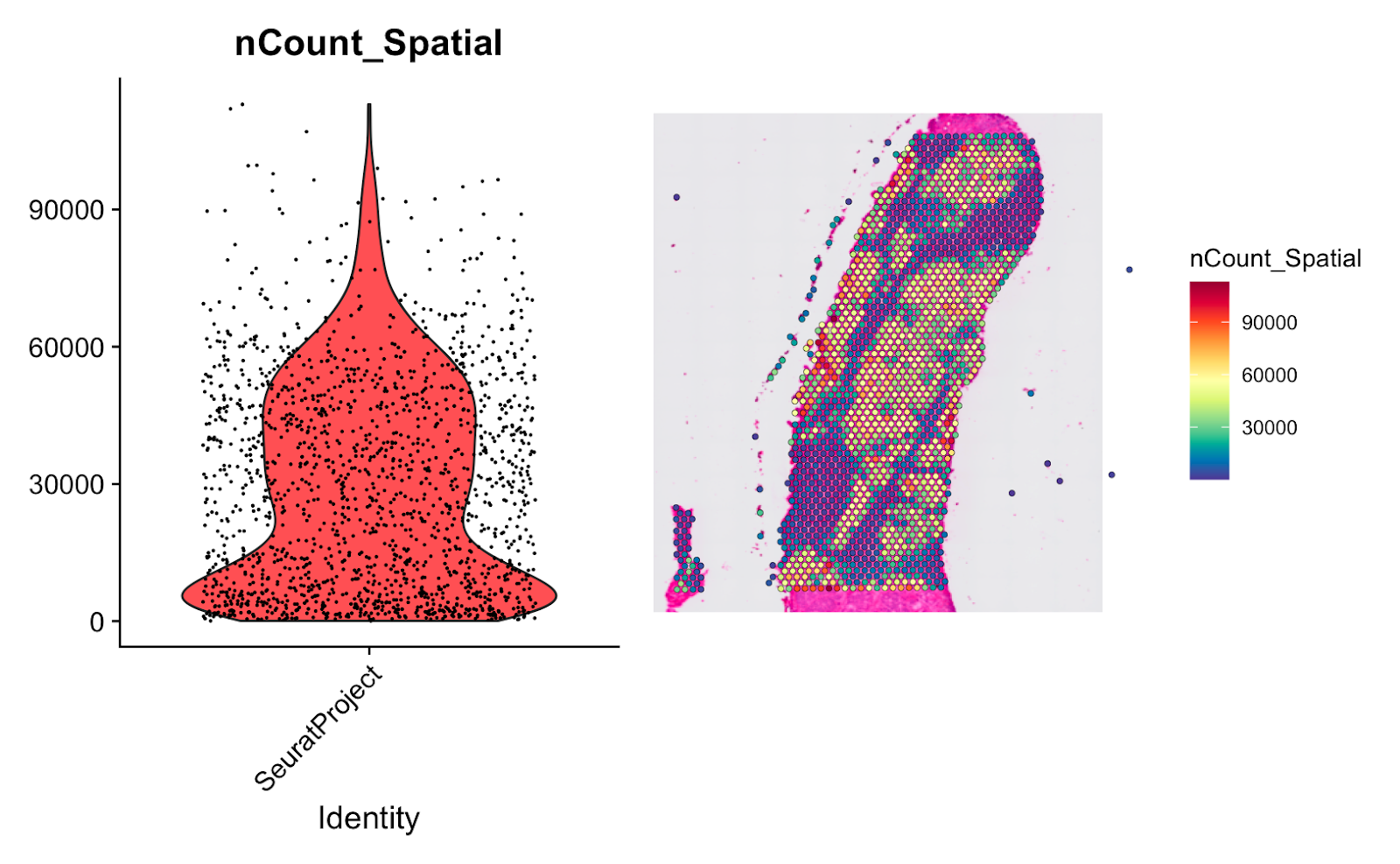
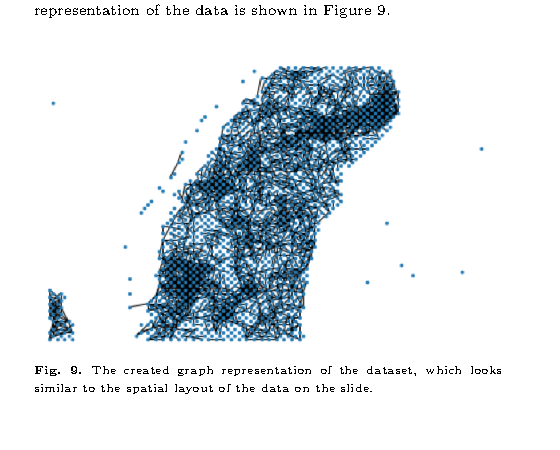
For a collaborative spatial-transcriptomics study, I co-implemented, optimized, and trained a three-layer graph convolutional network combining tissue coordinates with a six-gene extracellular-matrix signature. The model reached AUROC 0.91; the analysis also exposed minority-class limitations and the need for external validation.
Review the model evidence →
Multi-omics · Biomarkers · Translational biology
Integrating transcriptomic and epigenetic evidence across a human cohort.
I integrated adolescent RNA-seq and cord-blood DNA methylation across 250+ pediatric biospecimens to identify heavy-metal exposure signatures connected to immune and neurodevelopmental pathways. I also built automated RNA-seq workflows that improved processing speed by 50% and made the analysis reproducible across the cohort.
Read the research record →
Broad Institute descriptions use public or aggregate information and exclude confidential research details.